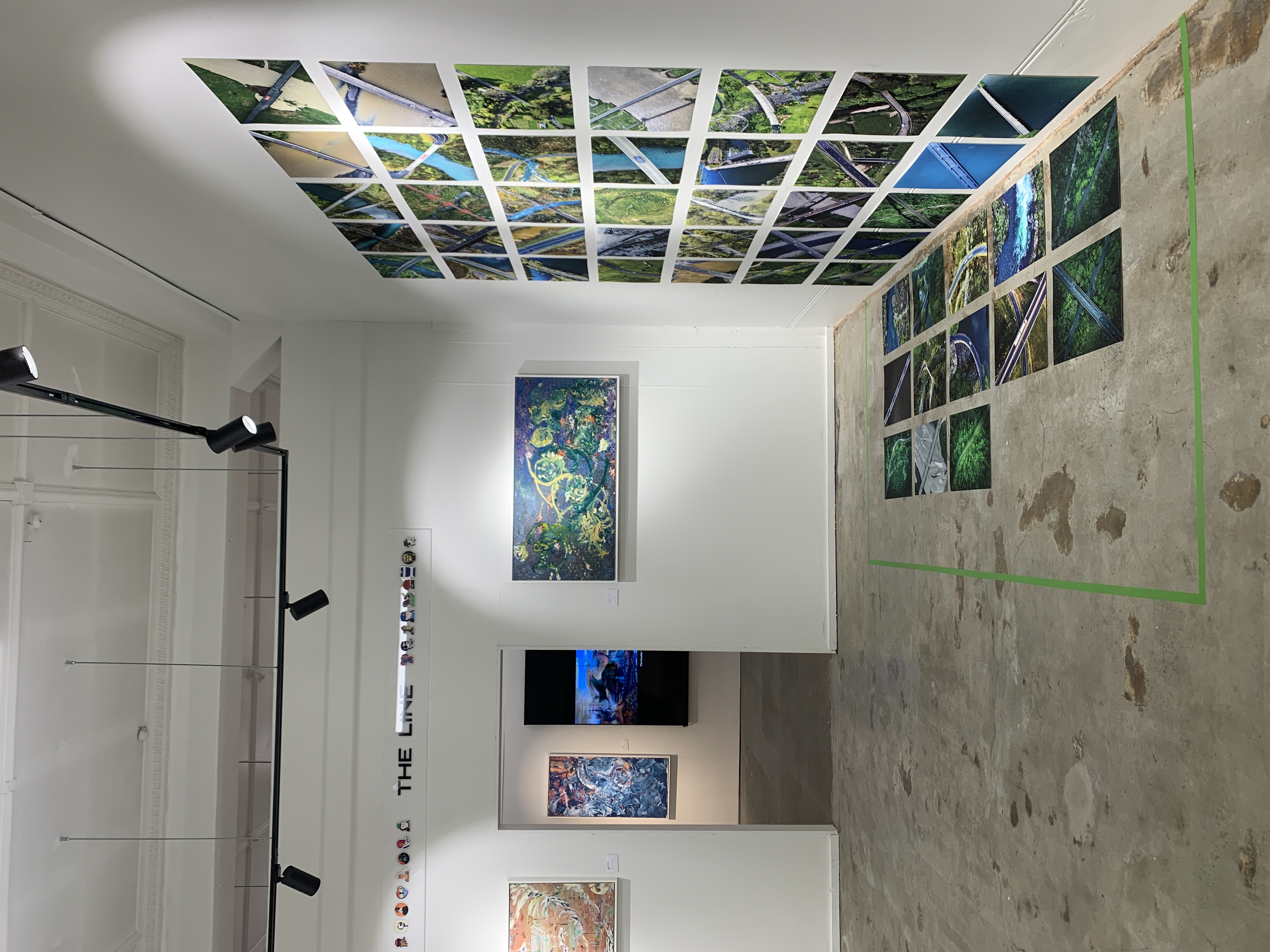
September brings FotoFest 2026 to Hawke's Bay — and The Line gallery becomes the only physical space in New Zealand exhibiting tokenized photography as part of the festival.
The Line at FotoFest 2026
From September 28 to October 22, The Line in Hastings opens its doors as part of FotoFest, joining venues across the country in what has quietly become one of New Zealand's most ambitious photography moments. Hawke's Bay sits at the centre of it.
Our show focuses on a selection of international artists who have tokenized their photography on The Line. Photographers from across the globe, brought together by a shared experiment in how images can be owned, shared, and circulated in a digital era.
It is, as far as we know, the only physical gallery exhibiting tokenized photography as part of FotoFest. Worth a visit.
A new commercialisation model for photographers
For most of photography's modern history, the path to a paid practice has run through licensing agreements, gallery commissions, stock platforms, and brand deals. Each link in the chain takes its cut. Each one adds friction. And for emerging photographers, the gallery model in particular can feel impenetrable — 50% commissions, exclusivity clauses, geographic restrictions, the long wait for a show.
NFTs offered something different. A photographer mints a work on-chain, sells it directly to a collector, and keeps the relationship. The collector owns provable scarcity. The image keeps moving through the internet. The middleman, often, just isn't there.
But the more interesting move came when artists started releasing the underlying copyright too. That move has a name. It is called CC0.
What is CC0?
CC0 — Creative Commons Zero — is a public domain dedication. When an artist releases work under CC0, they waive every copyright and related right they hold, worldwide, to the fullest extent the law allows.
The work becomes free for anyone to copy, modify, distribute, perform, and use — commercially or not — without permission, without attribution, without limit. It is, in effect, a deliberate act of letting go.
Creative Commons describes it as a way to "opt out of copyright entirely" — useful for creators who want their work to circulate as freely as possible, and useful for cultural infrastructure (museums, archives, public projects) that depends on works being usable without legal friction. You can read the original Creative Commons proposal here.
What is novel is the pairing of CC0 with the NFT. The artist releases the copyright but retains provable ownership of a specific tokenized instance of the work. The image is free. The verified original is not. The two facts coexist.
XCOPY CC0's the canon
In August 2022, the artist XCOPY — one of cryptoart's most-collected names — placed his entire pre-2022 catalogue under CC0.
"CC0 my entire pre-2022 catalogue. Anyone can use my pre-2022 art for any purpose. No permission needed. No attribution needed."
It was a quiet bombshell. An artist whose 1/1 works trade for hundreds of ETH, deliberately releasing the underlying images for anyone to use, fork, print, remix. The NFTs remained scarce. The images became infinite. Both increased in cultural weight.
Deca on what crypto makes possible
The clearest framing I have read of why CC0 makes sense in this context comes from Deca:
"The progress of society can be measured by the freedom of its information. Crypto is the complete freedom of information. And CC0 can be derived from crypto's fundamental characteristics:
— Permissionless
— Provenance
— Pollination"
Permissionless to mint and to use. Provenance baked into the chain so the original is always identifiable. Pollination — the cultural spread of the image — accelerated by the absence of legal friction. That is the case for CC0 in three words.
The 6529 Memes — a CC0 ecosystem in practice
The most ambitious test of this thesis has been Punk6529's The Memes collection — a project that has commissioned over 150 artists to contribute CC0-licensed work, building a cultural commons of cryptoart-native imagery. Without CC0 as a foundation, getting that many artists to agree to shared licensing terms would have been administratively impossible. Because of CC0, it became culturally inevitable.
From the !SEIZED book on the project:
"The notoriety of the artist often grows because of the freedom for remix their art created for the meme, resulting in a mutual beneficially ecosystem that considers the needs of the collector, the artist, the 6529 team and the broader crypto culture driven Internet powered by the dankest of memetic energy."
The artist gets reach. The collector gets verified ownership of an original. The culture gets a living image that can be put on t-shirts, in animations, on posters, in remixes, without anyone needing to file a copyright claim. Mutual benefit, encoded into the licence.
Cath Simard's #FreeHawaii — another model
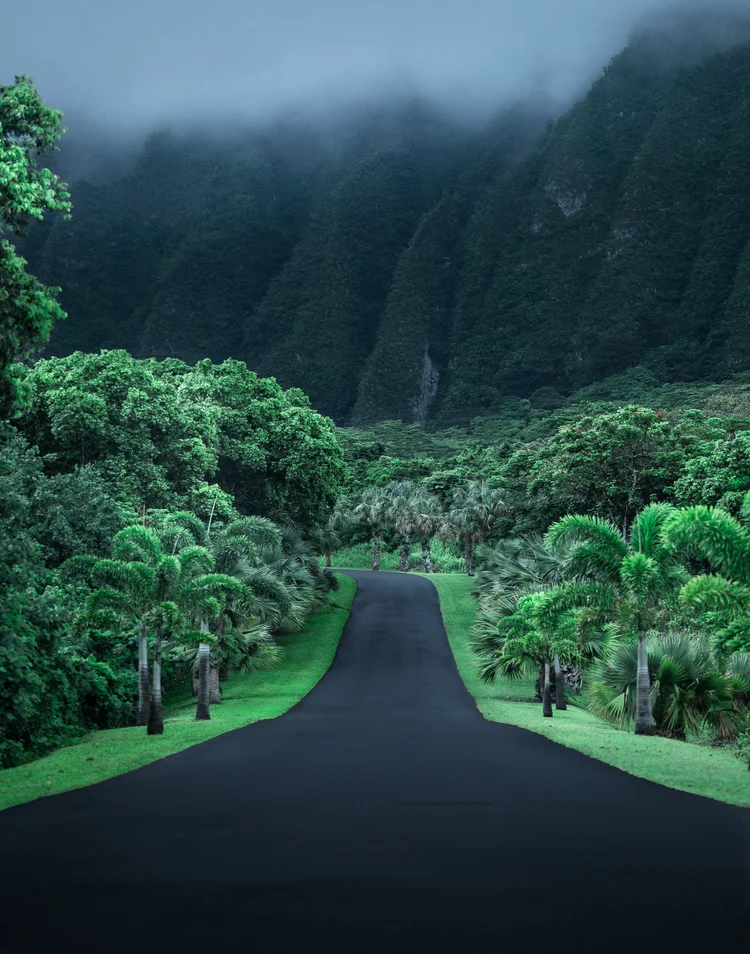
Not every artist chooses pure CC0. Some craft hybrid licences. The most famous example in photography is Cath Simard — Line 11 — whose iconic #FreeHawaii photograph was stolen and reposted so many times on Instagram that the image effectively became culturally communal long before any licence existed.
Rather than fight it, Simard tokenized the work and attached a bespoke licence that grants the NFT holder a non-transferable, perpetual, worldwide copyright licence to use the image — including commercially — with one careful exception: you cannot re-mint it as an NFT or transfer the licence to a third party.
You can read the full #FreeHawaii licence here. It is a thoughtful middle ground — most of CC0's freedom, with guardrails around the specific cryptographic instance. The image flows. The token endures.
The talk
During FotoFest, MintFace will host a talk on how photographers are adopting this new commercialisation model — CC0, NFTs, and the alternative to gallery commissions. How the economics actually work for a working photographer. What it means for who sees the work. What it means for who profits.
Details and dates to follow. Sign up to Storyline to be notified.
Geodetic Moments
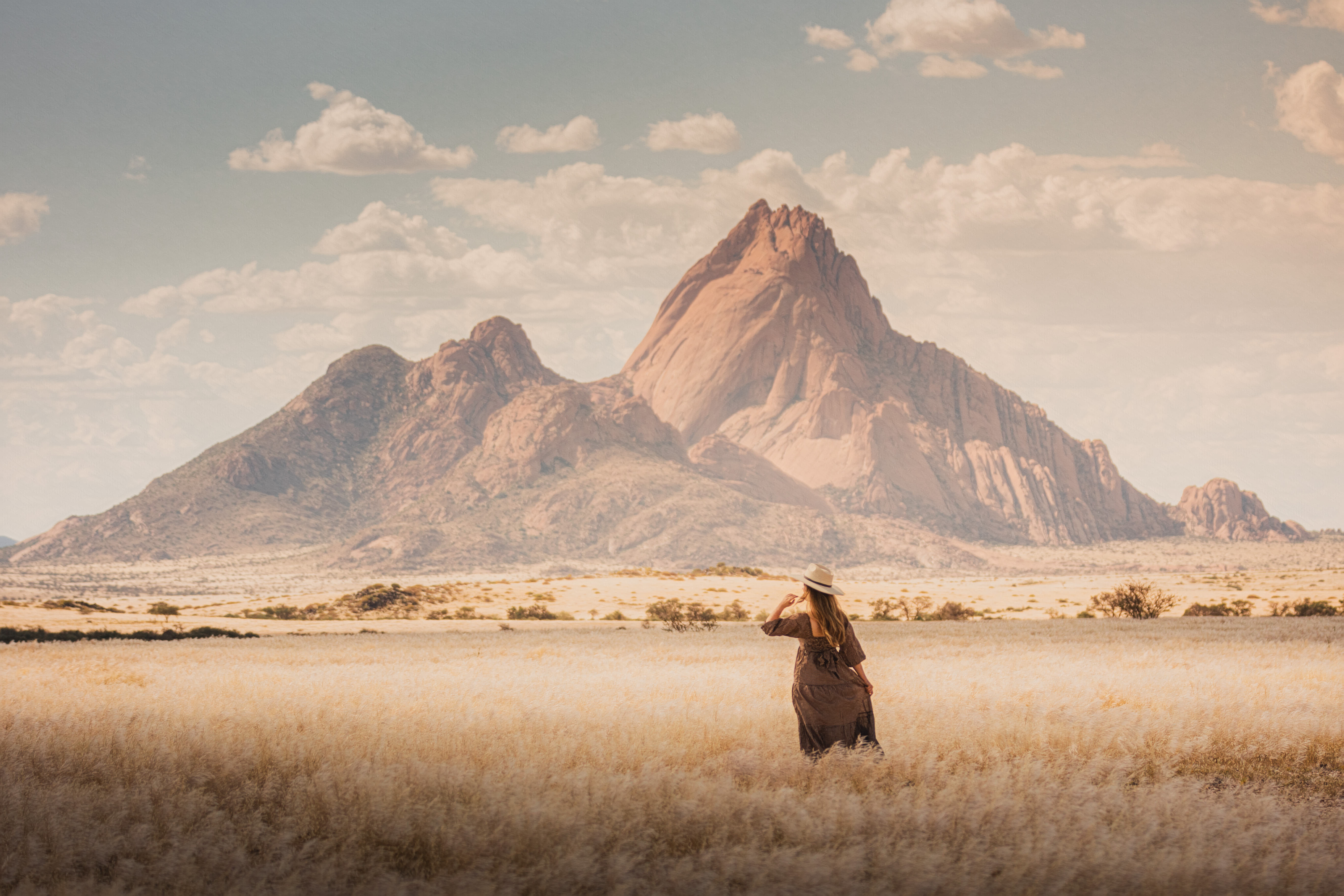
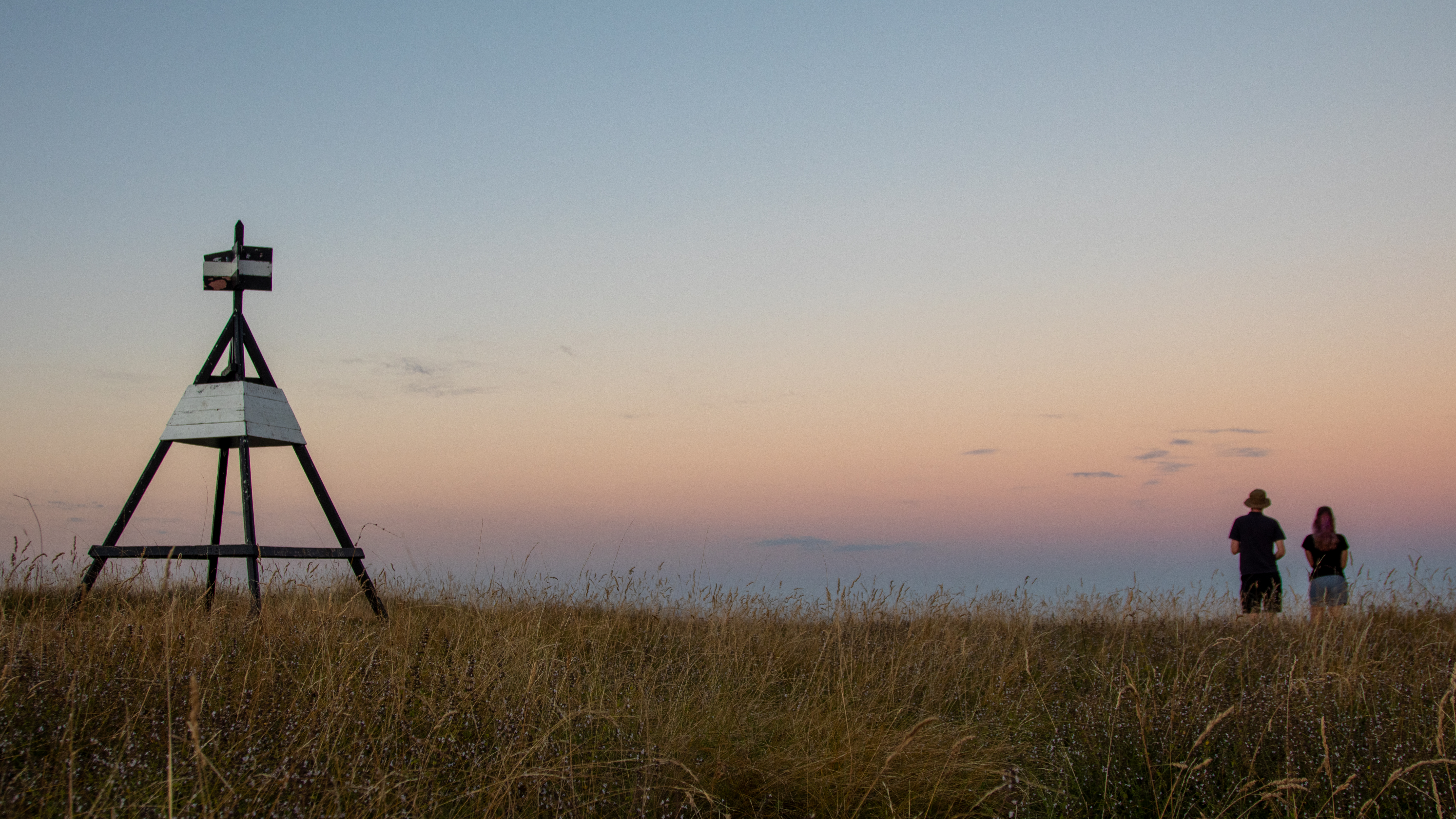
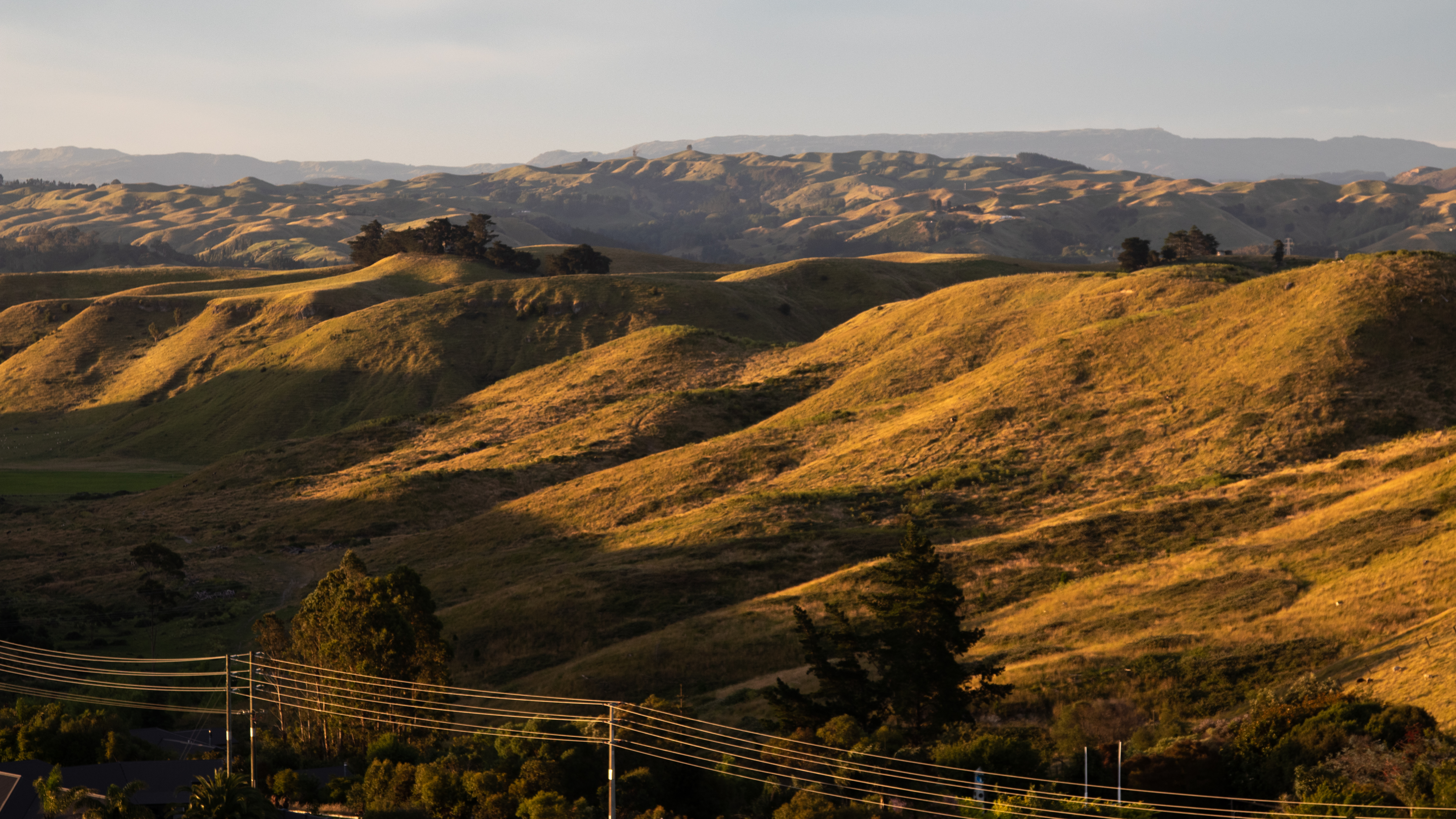
Alongside the international curation, The Line will also be showing Geodetic Moments — MintFace's first tokenized photography collection. 100 works captured at the summit of Pukekura Hill on the East Coast of New Zealand, each frame a coordinate facing either forward or backward from the same fixed point.
The collection explores what you might see on the horizon by measuring exactly where you stand right now. Geodetic markers across New Zealand are physical beacons of orientation — points from which the rest of the country is plotted. Each photograph is taken from one of them.
Read more on Geodetic Moments here or view the collection on OpenSea.
FotoFest 2026 at The Line
Dates: September 28 – October 22, 2026
Venue: The Line, Hastings, Hawke's Bay
Showing: International tokenized photography + Geodetic Moments by MintFace
Talk: Photography's new commercialisation model — details forthcoming
Hawke's Bay has the gallery. The Line has the artists. CC0 is the connecting principle. We hope to see you there.