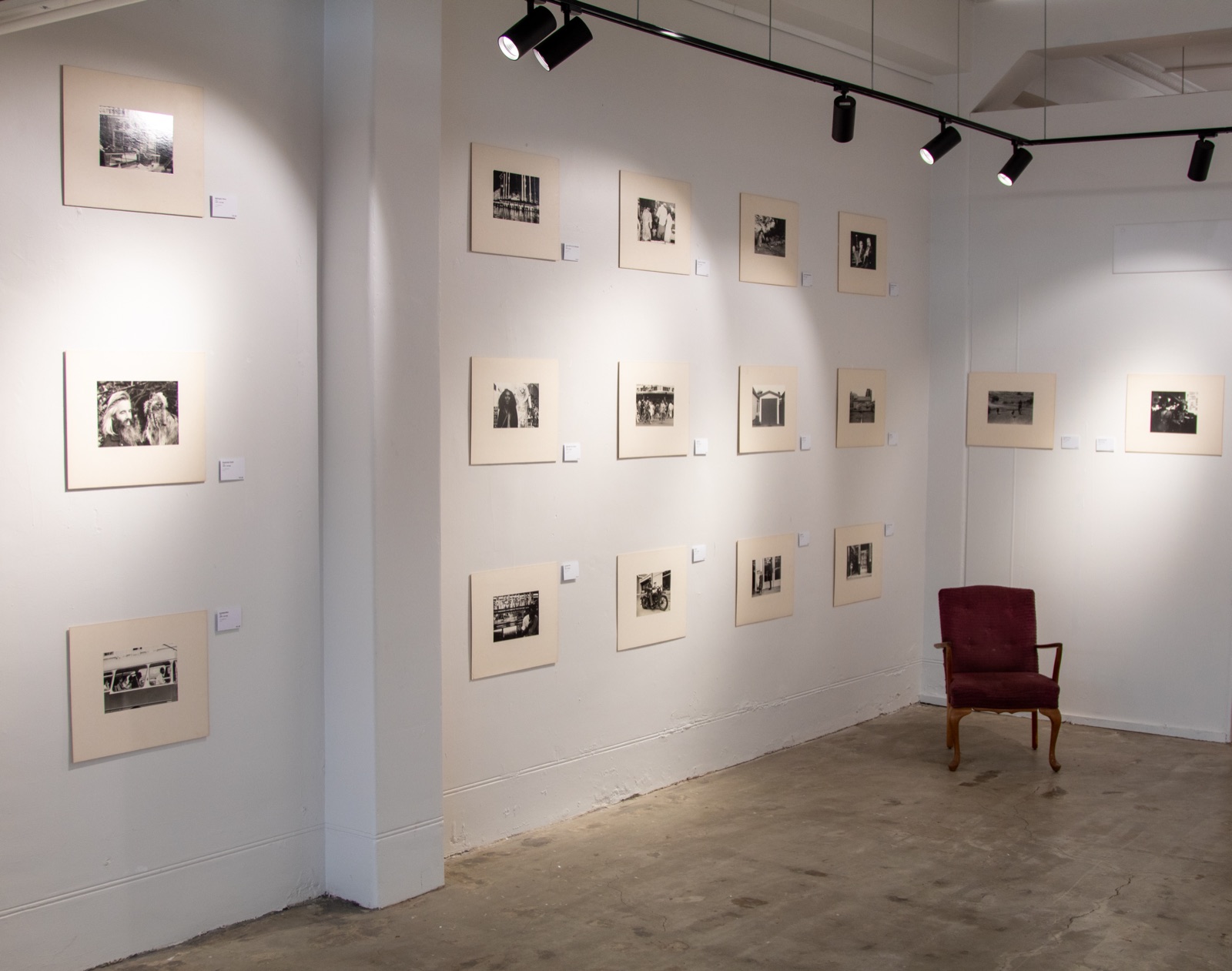
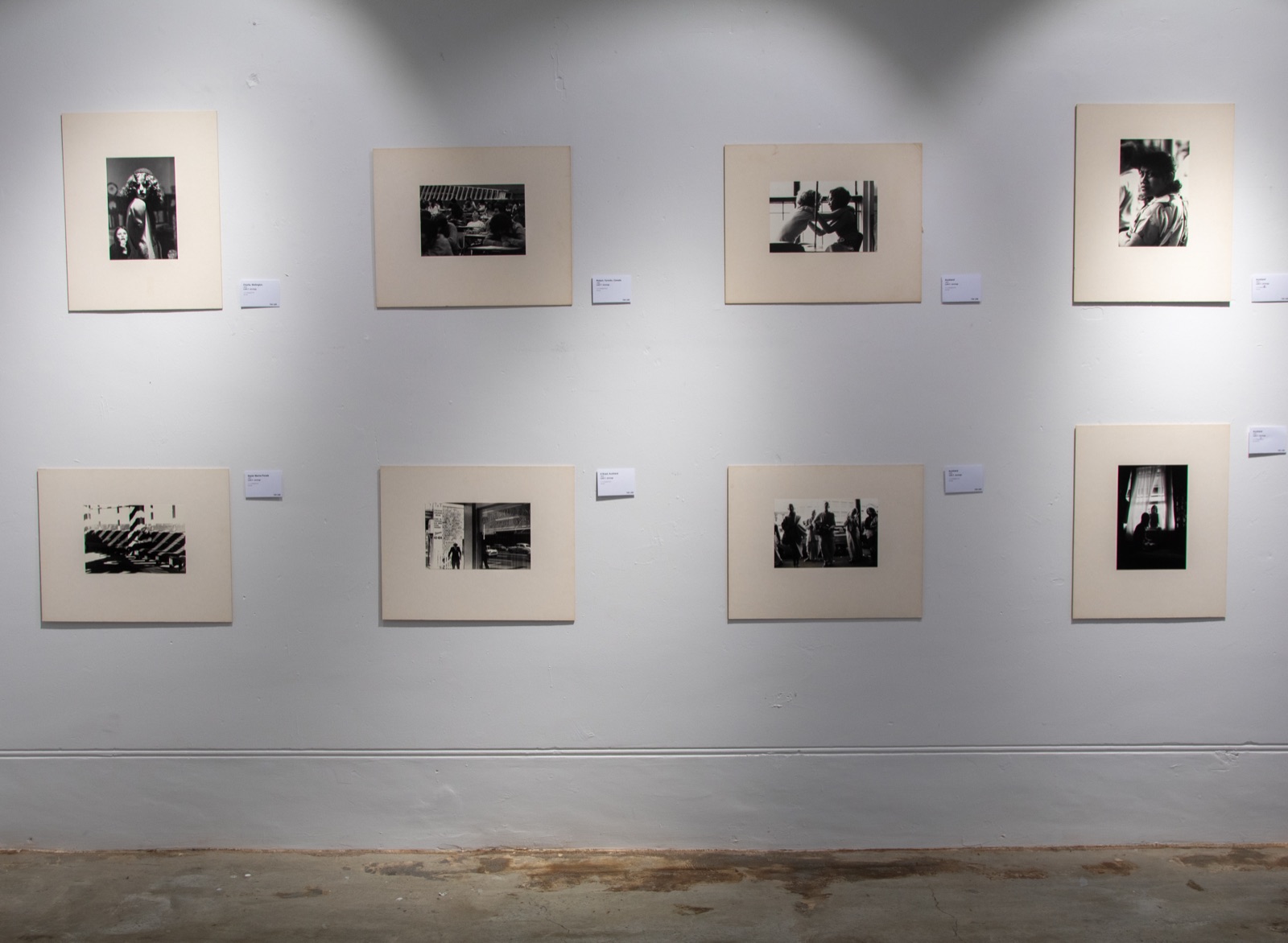
Leith Jennings exhibited once. Manawatu Art Gallery, December 1973. Forty photographs, ten dollars each. This FotoFest, The Line shows the collection for the second time... and mints it on-chain so there never needs to be a rescue again.
A single sheet of paper
The record of the first exhibition is one typed page. Manawatu Art Gallery, 4 – 21 December 1973. Leith Jennings – Palmerston North. Forty numbered works, each with a title and a year. At the bottom, in the flat commercial language of the day: ALL WORKS FOR SALE $10.00 each.
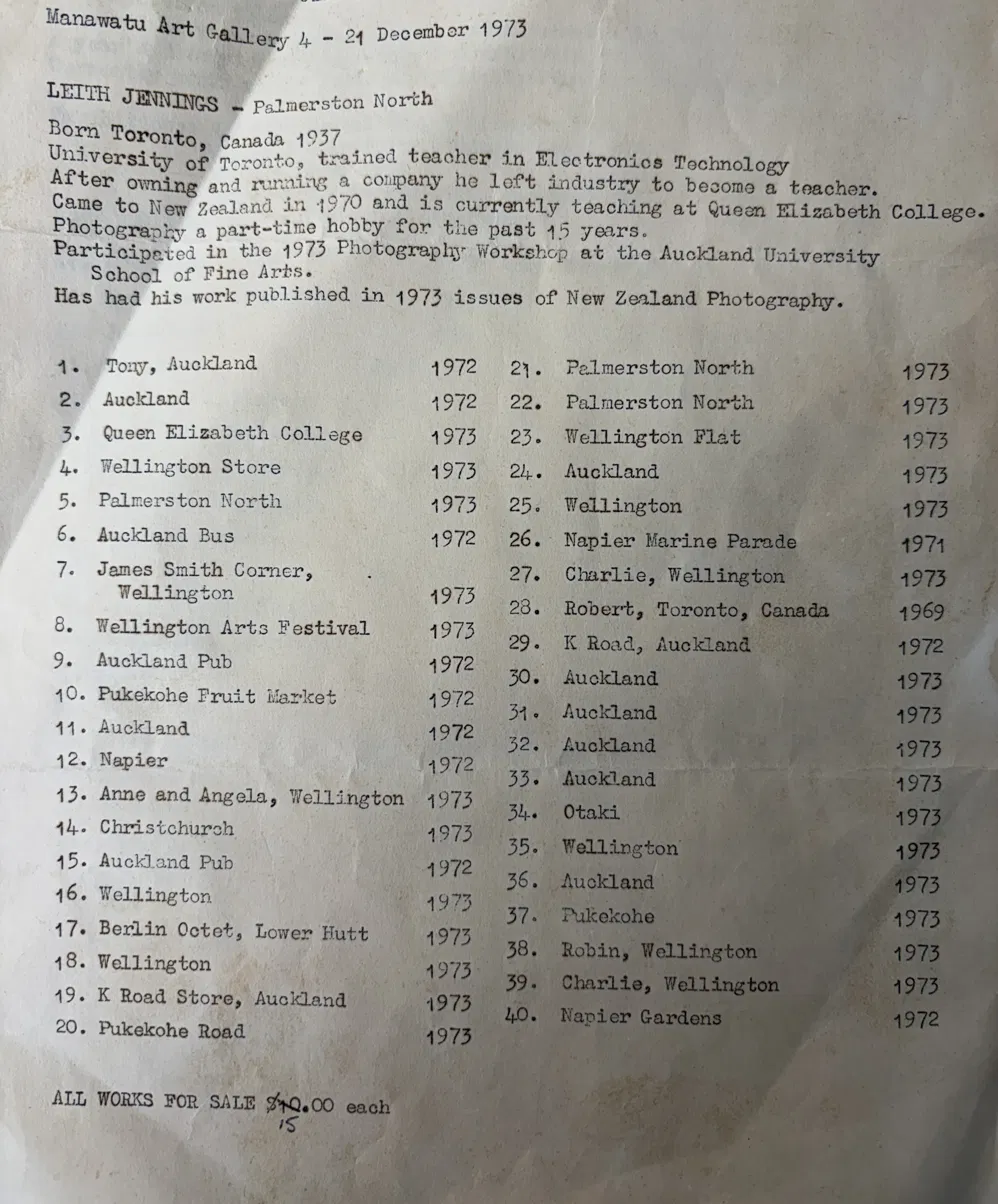
That sheet is now the founding document of an archive. Every title, every date, every catalogue number in the on-chain collection comes from it. Nothing renamed, nothing renumbered. When an archive is fifty-three years late, the least it can do is arrive unaltered.
The photographer
Leith Jennings was born in Toronto in 1937 and trained in electronics technology at the University of Toronto. He owned and ran a company, left industry to teach, and came to New Zealand in 1970... to Queen Elizabeth College in Palmerston North, where he was teaching when the exhibition opened. Photography had been his companion for fifteen years by then. In 1973 he attended the Photography Workshop at the Auckland University School of Fine Arts, and his work appeared that year in New Zealand Photography... including a cover.
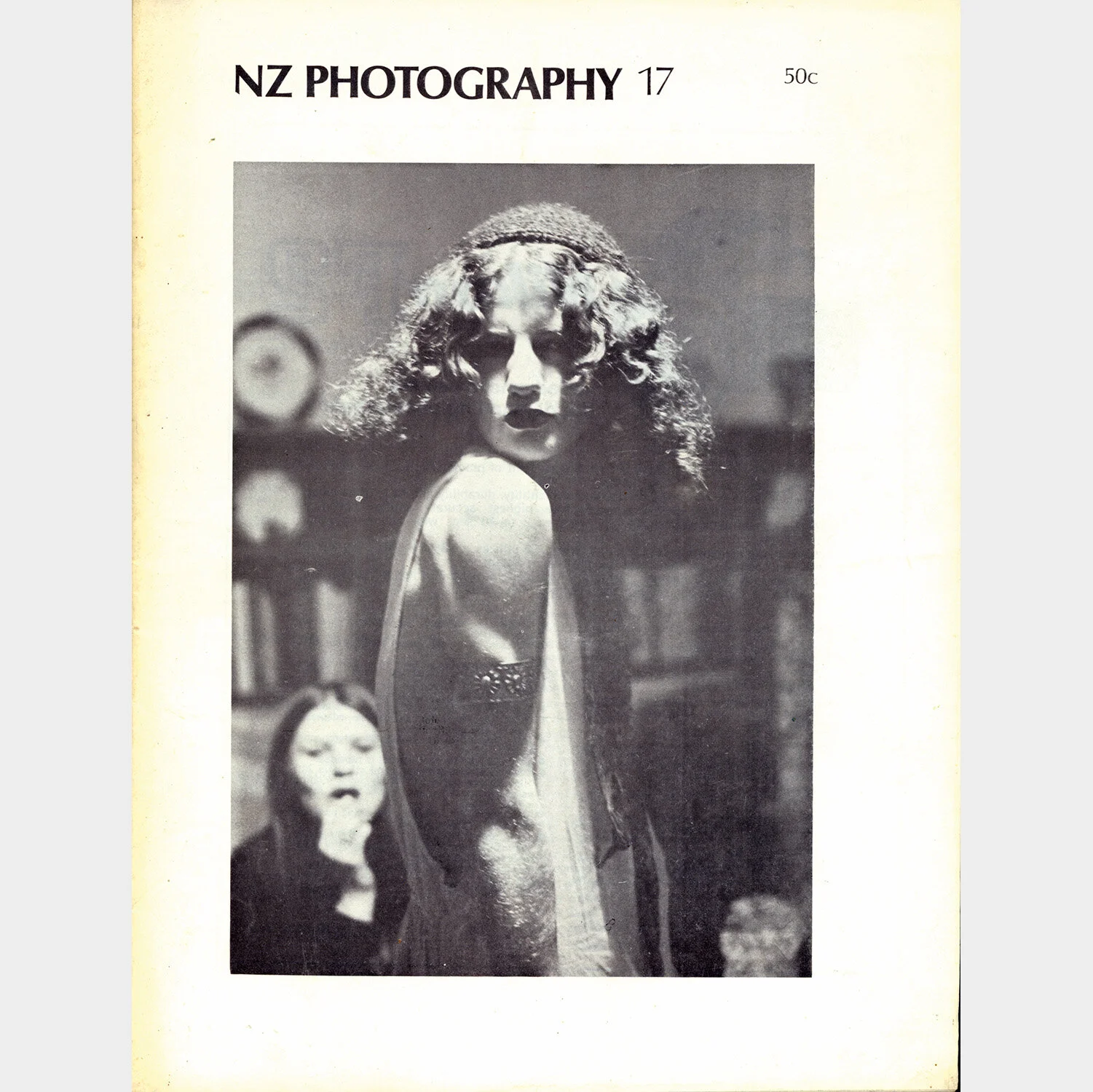
He was, in other words, exactly the kind of photographer the 1970s produced in numbers and history mostly forgot: serious, published, exhibited once, then absorbed back into working life. The negatives went into drawers. The prints stayed in the family. The kind of archive that disappears not through catastrophe but through quiet.
The photographs
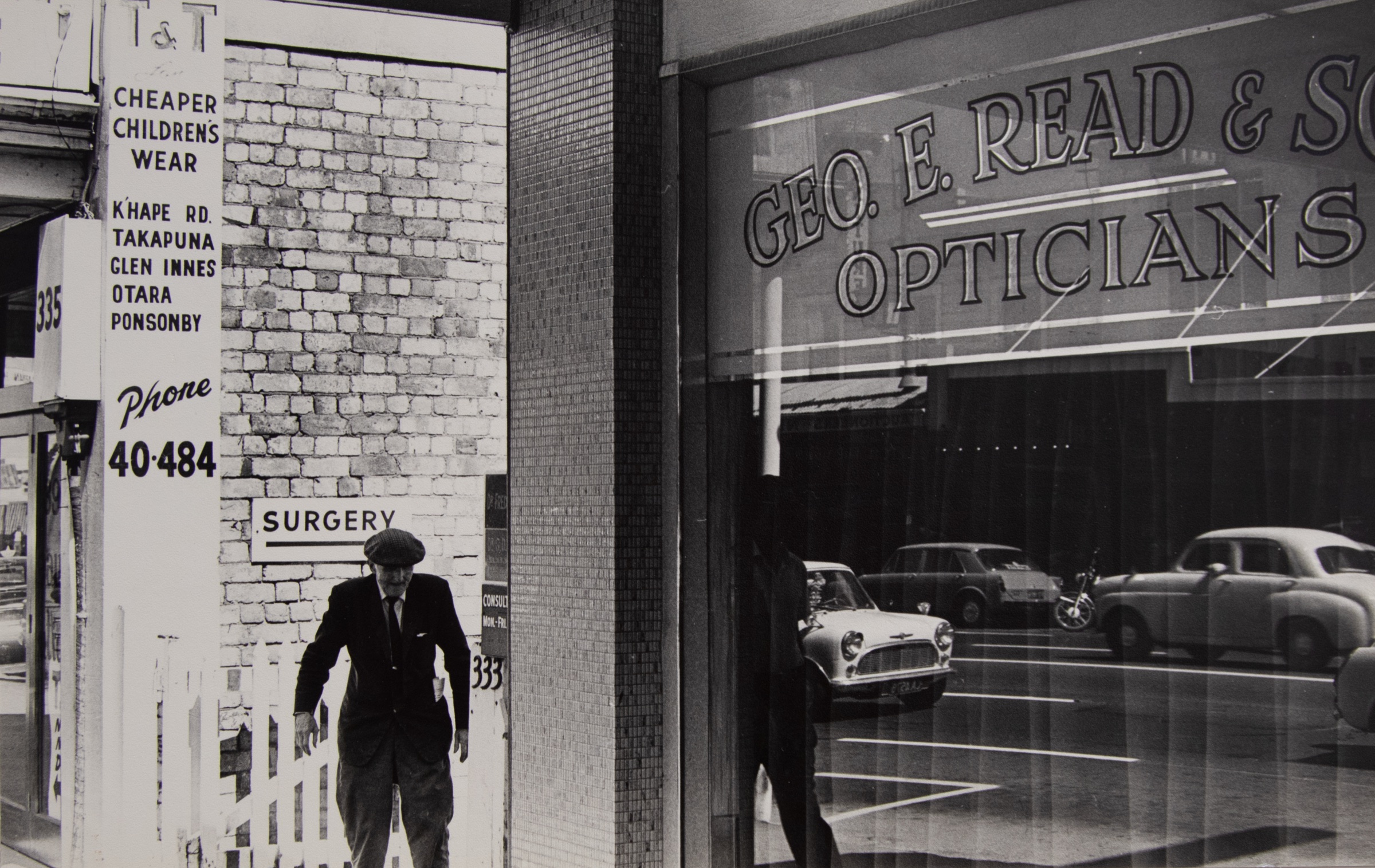
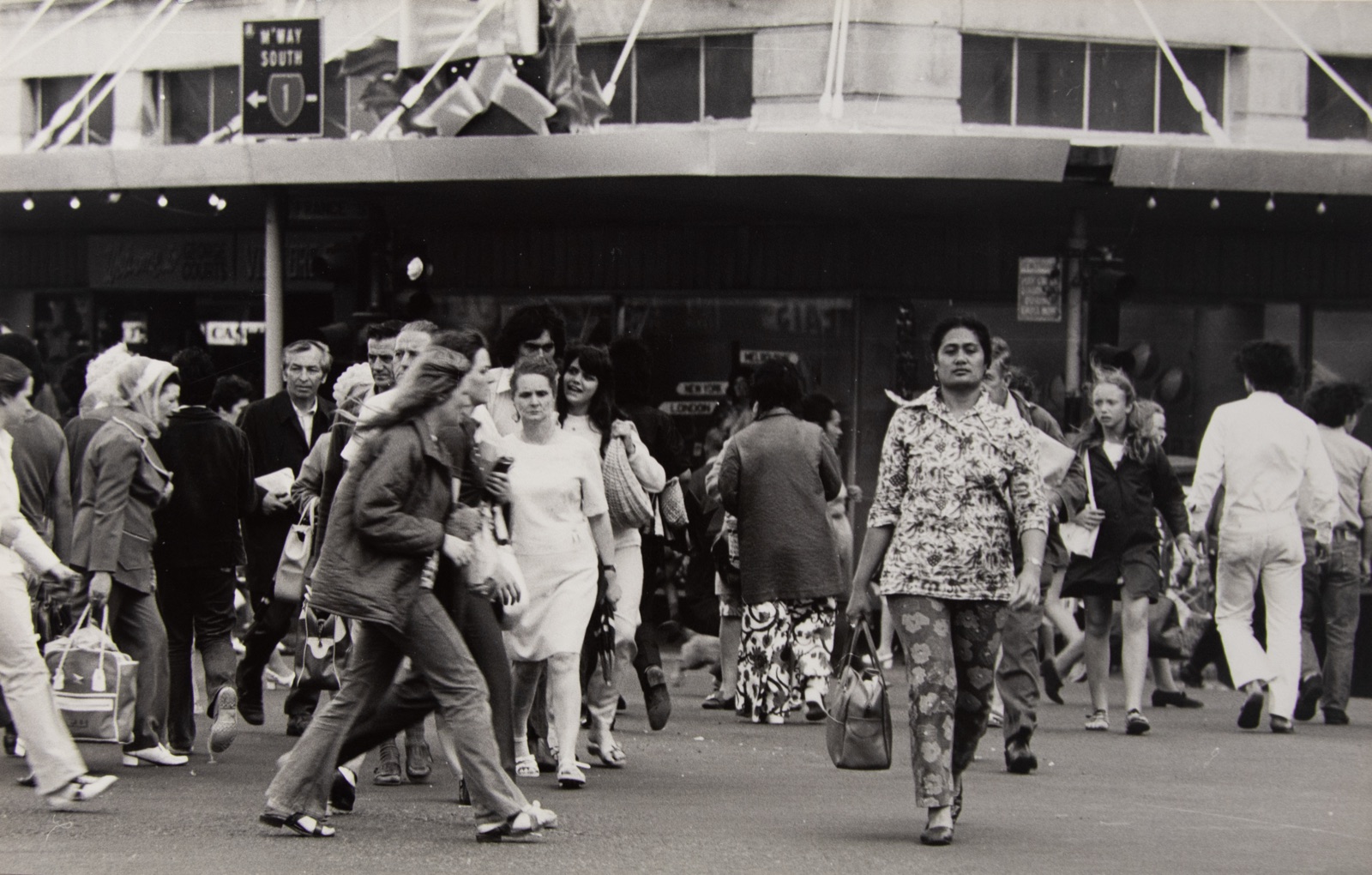
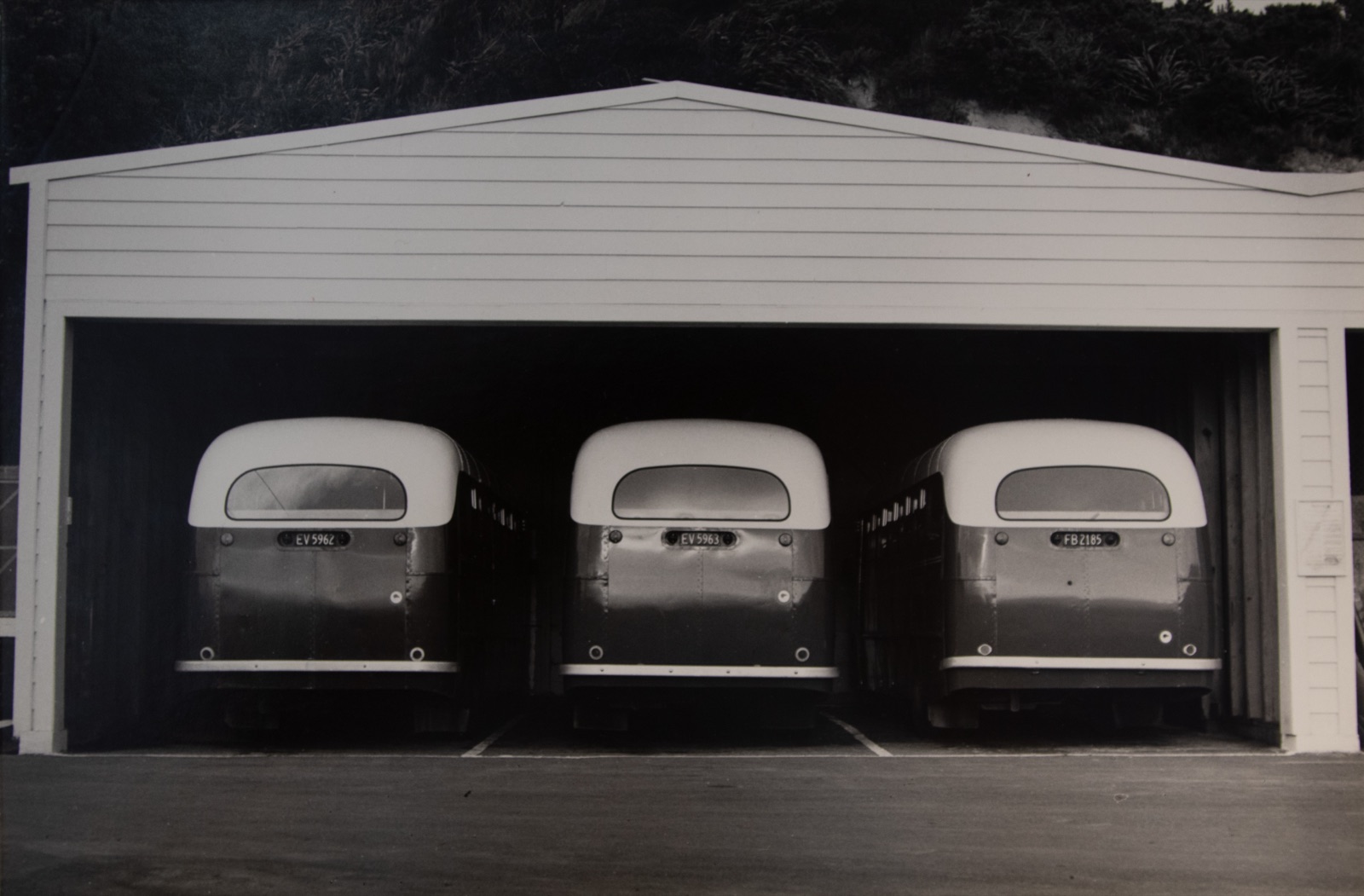
The forty works run from 1969 to 1973 and read like a record of arrival. The earliest, Robert, Toronto, Canada (1969), is the only one made before emigration... a photograph carried across the world. Then New Zealand takes over: Auckland pubs and buses, K Road, the Pukekohe fruit market, Wellington street corners, Napier's Marine Parade, Ōtaki, Christchurch. Towns seen the way only someone new to a country sees them, when nothing is ordinary yet.
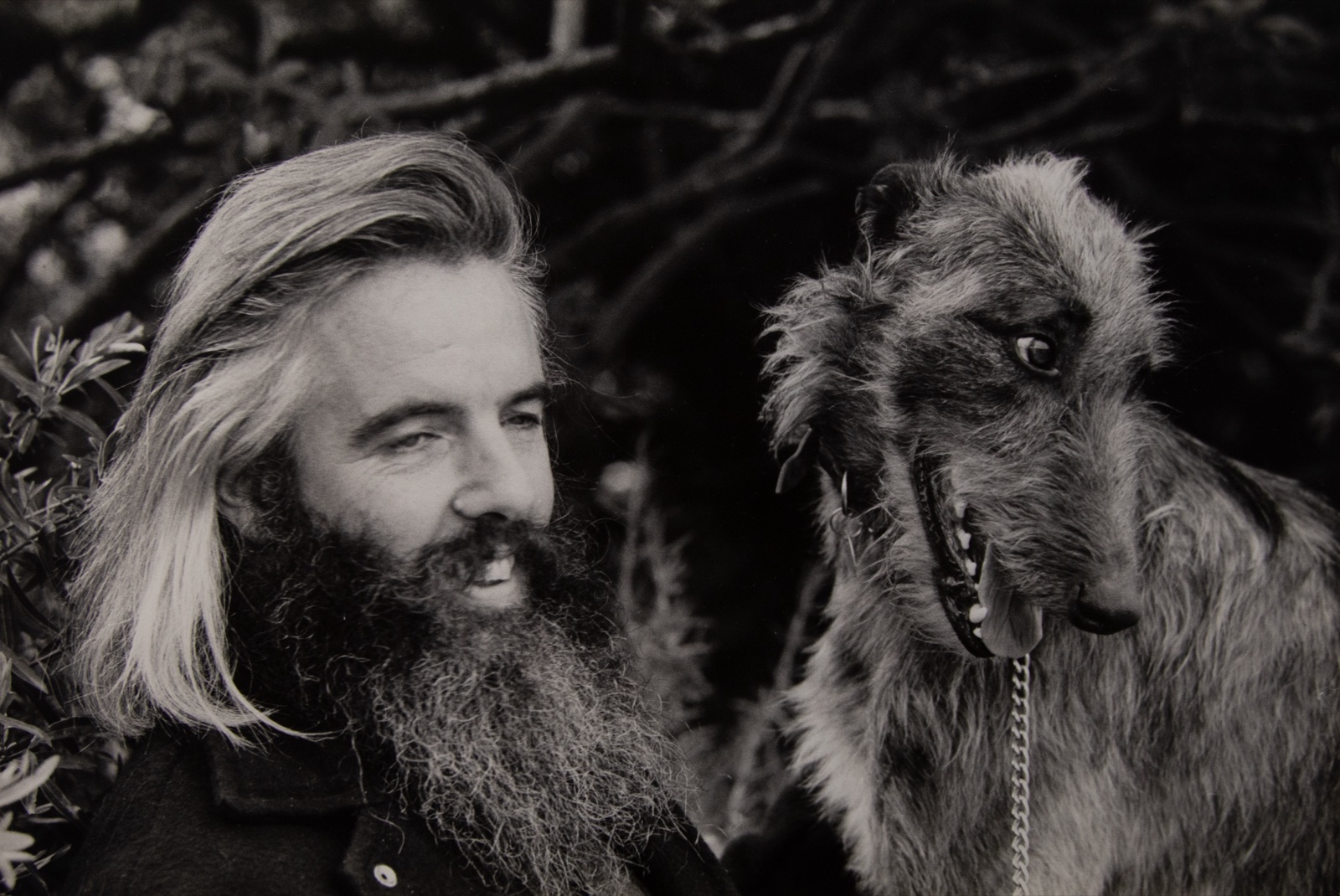
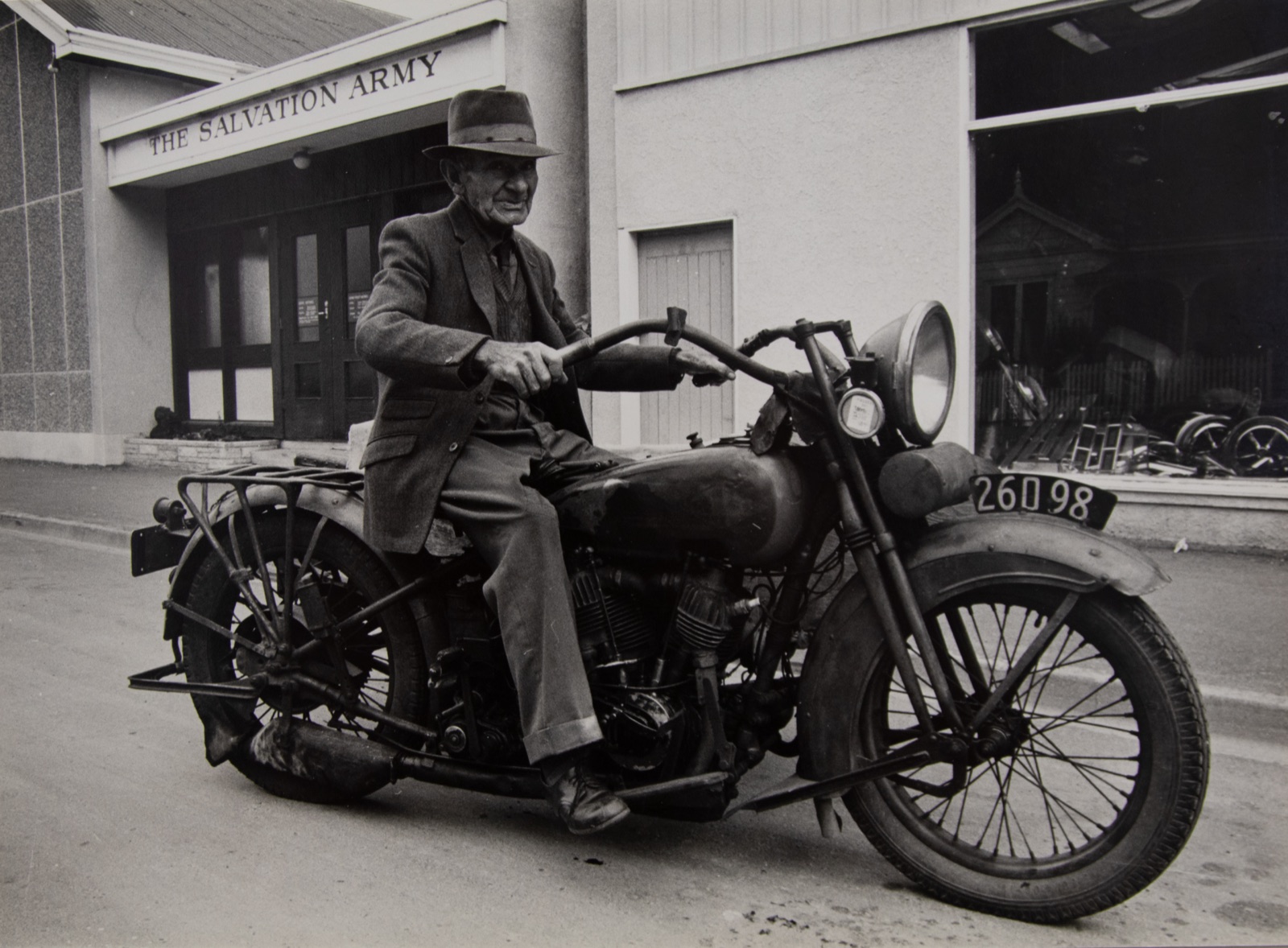
There are portraits threaded through the sequence... Tony, Charlie, Robin, Anne and Angela. First names only, the way you title photographs of people you actually know.
The four that got away
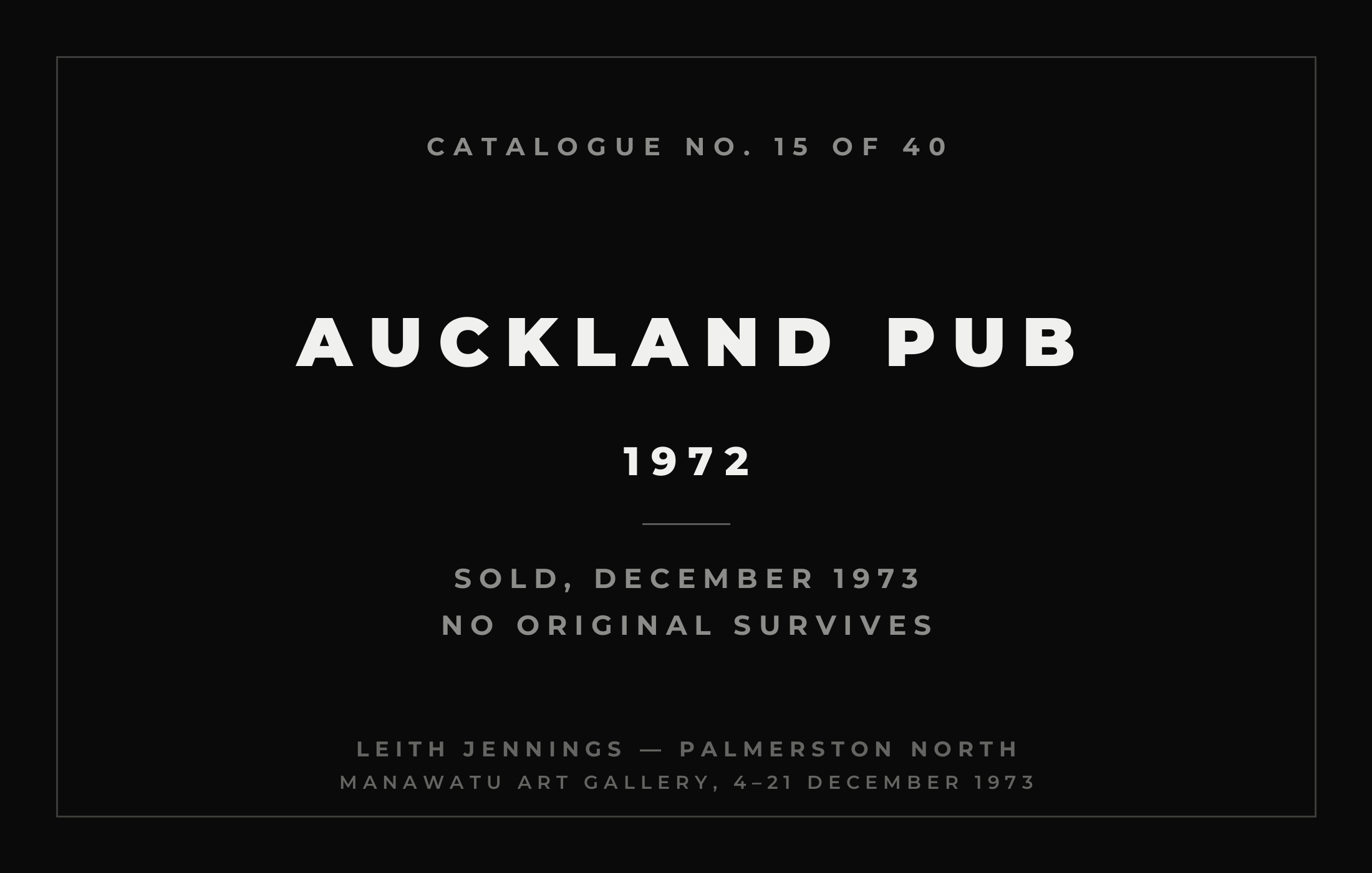
Four works sold at that December exhibition. Catalogue numbers 15, 21, 24 and 36... Auckland Pub, Palmerston North, and two titled simply Auckland. Ten dollars each, to buyers whose names were never recorded. No prints or negatives of these four survive in the family. Somewhere, possibly, four photographs by Leith Jennings hang on walls or sit in boxes, their maker unknown to their owners.
The archive does not pretend they don't exist. Each of the four is minted as a record-only work: a black placard carrying the title, the year, and the words no original survives. An archive that records only what it holds is a collection. An archive that records what it has lost is a history.
What “minted on-chain” actually means
Here is the part that usually gets wrapped in jargon, so let's not.
Every photograph has been scanned from the original print at archival quality... 600 dots per inch, the standard a national library would use. Each scan is then stored on a permanent storage network called Arweave, which works on a simple promise: pay once, and the file is copied across thousands of computers around the world with an endowment that funds its keeping for centuries. Not a company's hard drive. Not a subscription that lapses when someone forgets to pay the bill. The same photograph, everywhere, permanently.
Then each work is registered on the Ethereum blockchain... a public ledger that no single person or company controls. The registration records the title, the year, the catalogue number, the exhibition history, and a digital fingerprint of the scan file, so that anyone, at any point in the future, can verify that the photograph they are looking at is the one archived in 2026. Unaltered, uncropped, unfiltered.
None of it is for sale. The forty works are held at a single address that belongs to the photographer's estate: zl2al.eth. Those letters are not random... ZL2AL was Leith's amateur radio callsign, the identity he broadcast under as an electronics man. His callsign is now his archive's address. The signal, still going out.
The point of all this is not technology for its own sake. The point is that this collection nearly vanished. One typed sheet, one box of prints, four works already gone. Every town in New Zealand has archives like this... exhibited once, then waiting in drawers for someone to either save them or lose them. This is what saving one looks like. The Line is publishing the method openly, in the hope that it becomes ordinary.
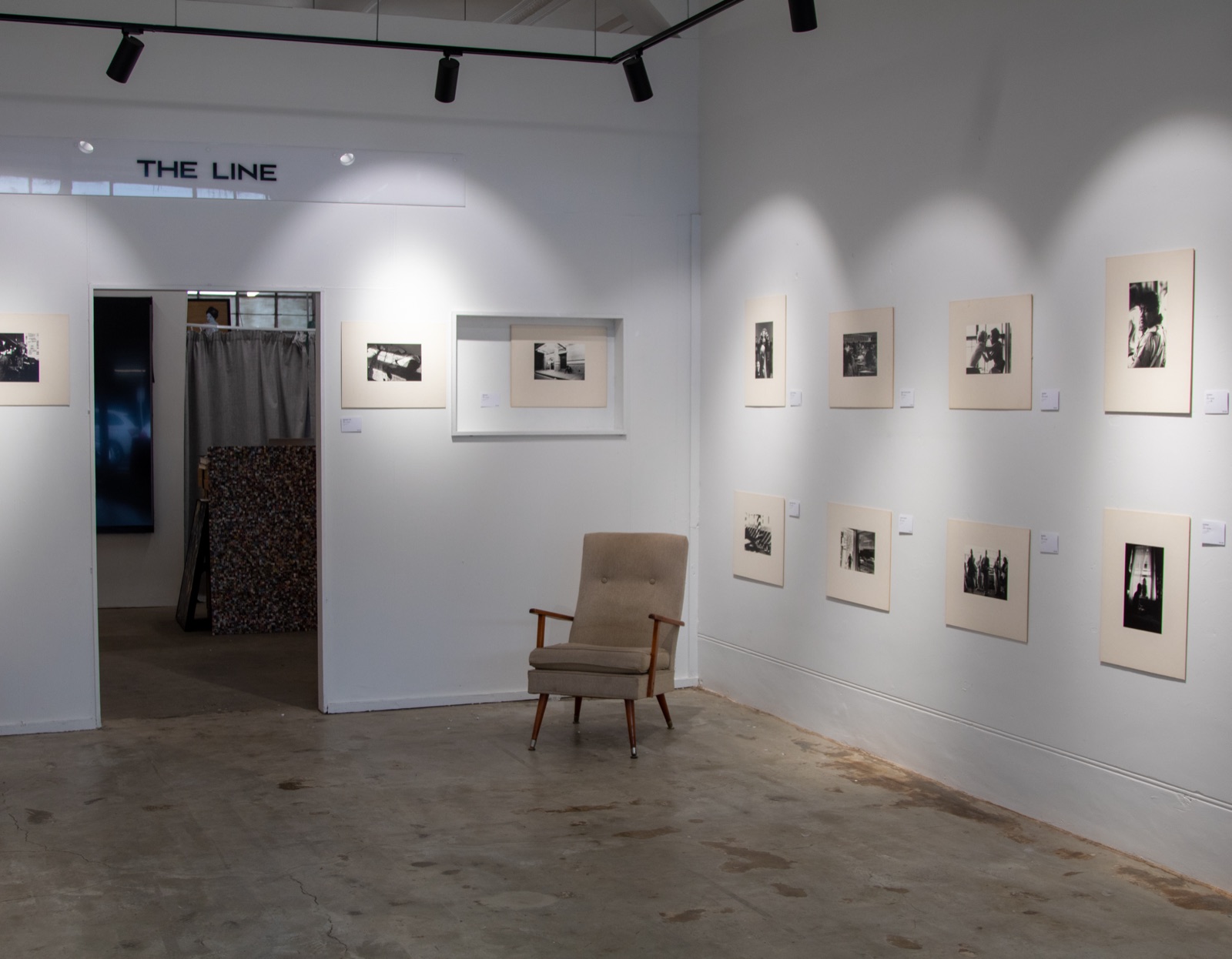
A footnote: Geodetic Moments
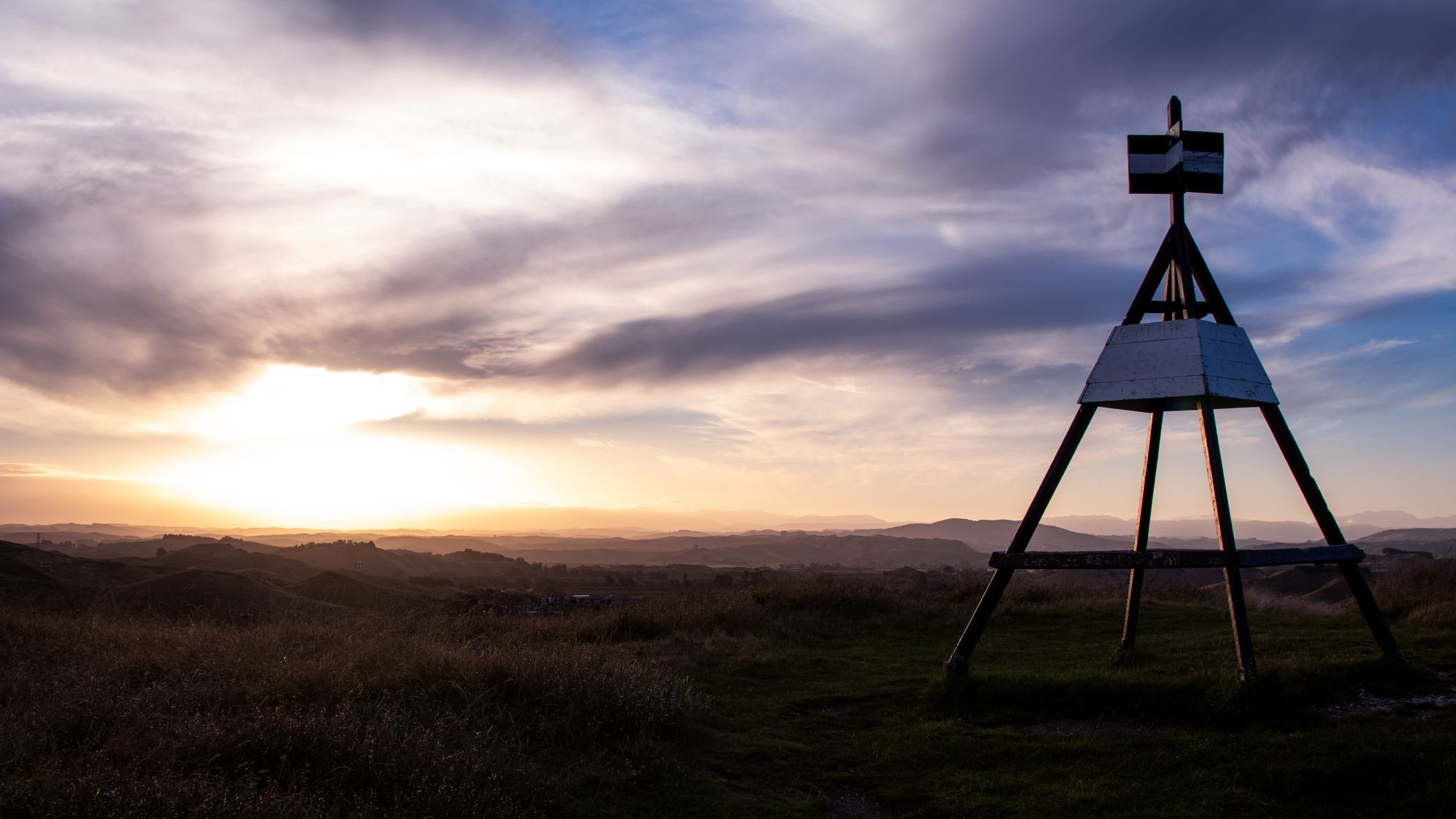
Hanging alongside the Jennings collection is Geodetic Moments by Ryan Jennings (MintFace)... 100 photographs made during the 2020 lockdown from a single fixed point, the geodetic survey marker on the summit of Pukekura Hill, Hawke's Bay.
The two collections are father and son, and they are opposites. The father moved through a whole country, photographing towns as he found them. The son stood still on one hill while the country stopped moving. One archive made freely across five years, one made under restriction in a single season... fifty years apart, now on the same wall and the same chain.
Geodetic Moments is at mintface.art/c/geodetic-moments. MintFace is on-site at The Line during FotoFest and will set visitors up with their own wallets... for collecting, and for anyone with a drawer full of photographs wondering what an archive of their own would take.
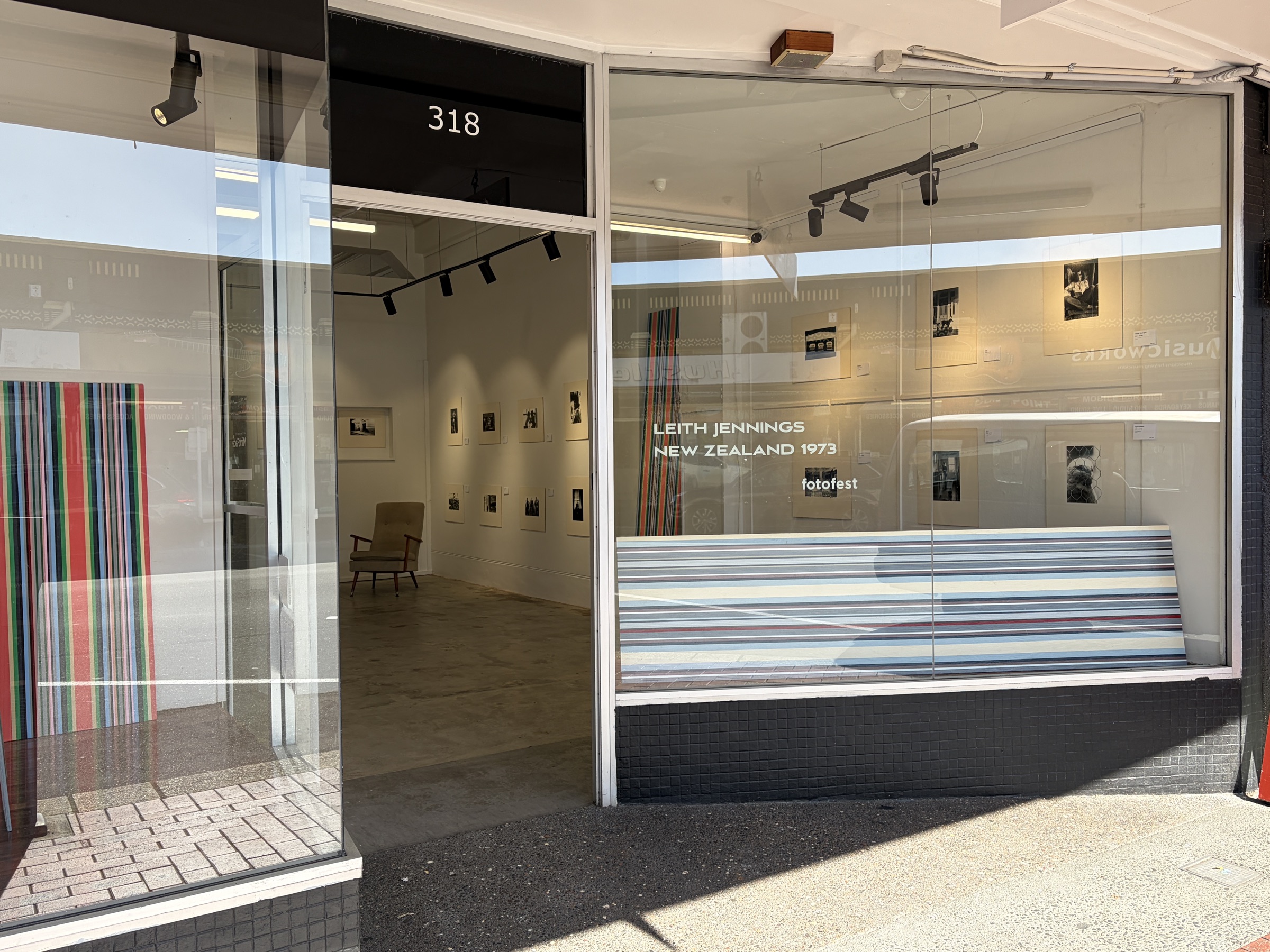
FotoFest runs at The Line, 318 Heretaunga Street West, Hastings. Documentary Photographs 1969–1973 by Leith Jennings... 40 works, archival mint, not for sale.